EHCP Tips & Resources
The EHCP system can be overwhelming, confusing, and frustrating. In order to help you make sense of it all, we’ve collated some of the most frequently asked questions that we’ve received over the years. These tips and resources are perfect for browsing, or you can search for something specific by using the box below. If you have a question that isn’t covered here, you can always book a free 20-minute consultation.
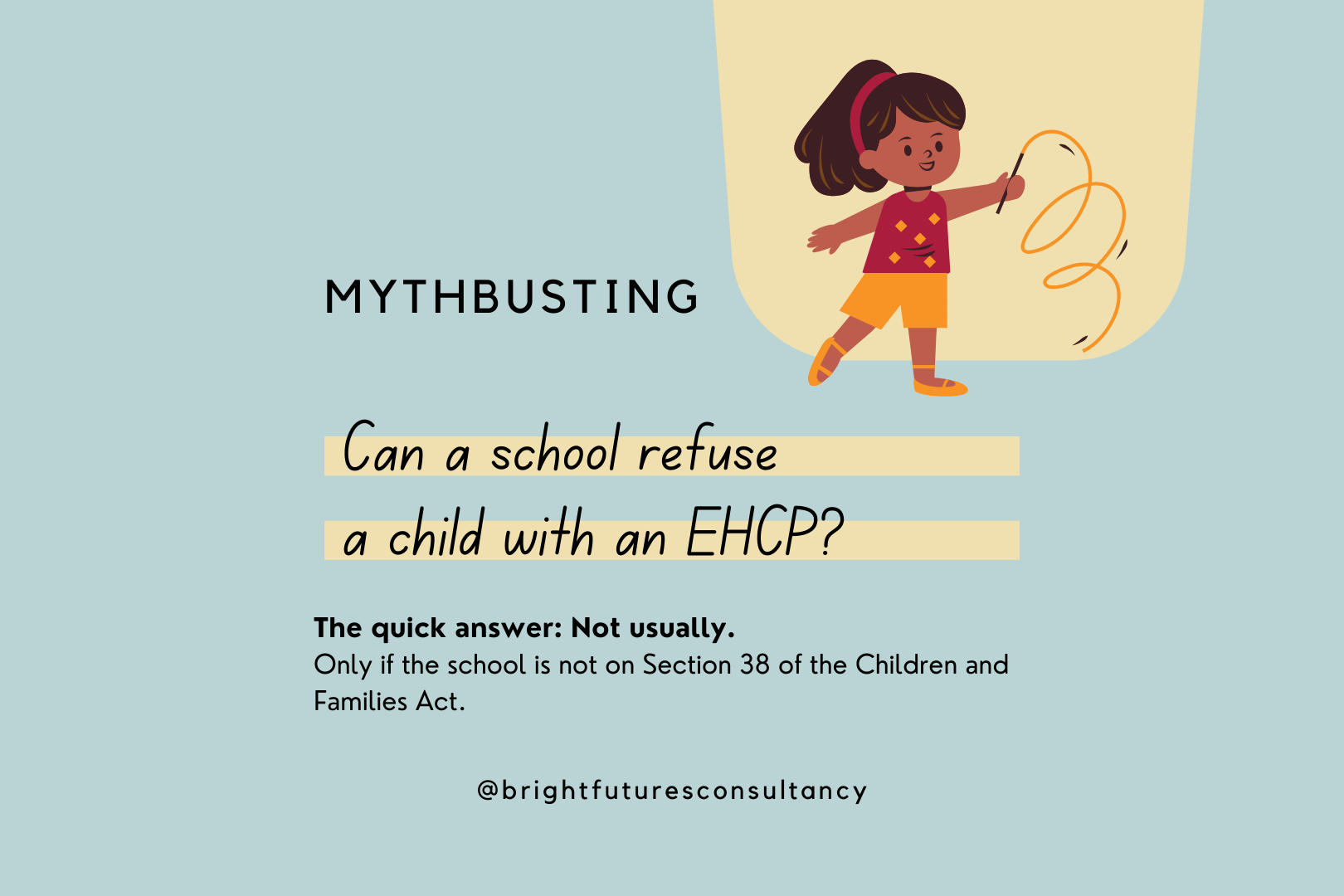
Only if the school is not on Section 38 of the Children and Families Act (which includes Section 41 schools) and therefore does not have to follow the Code of Practice.
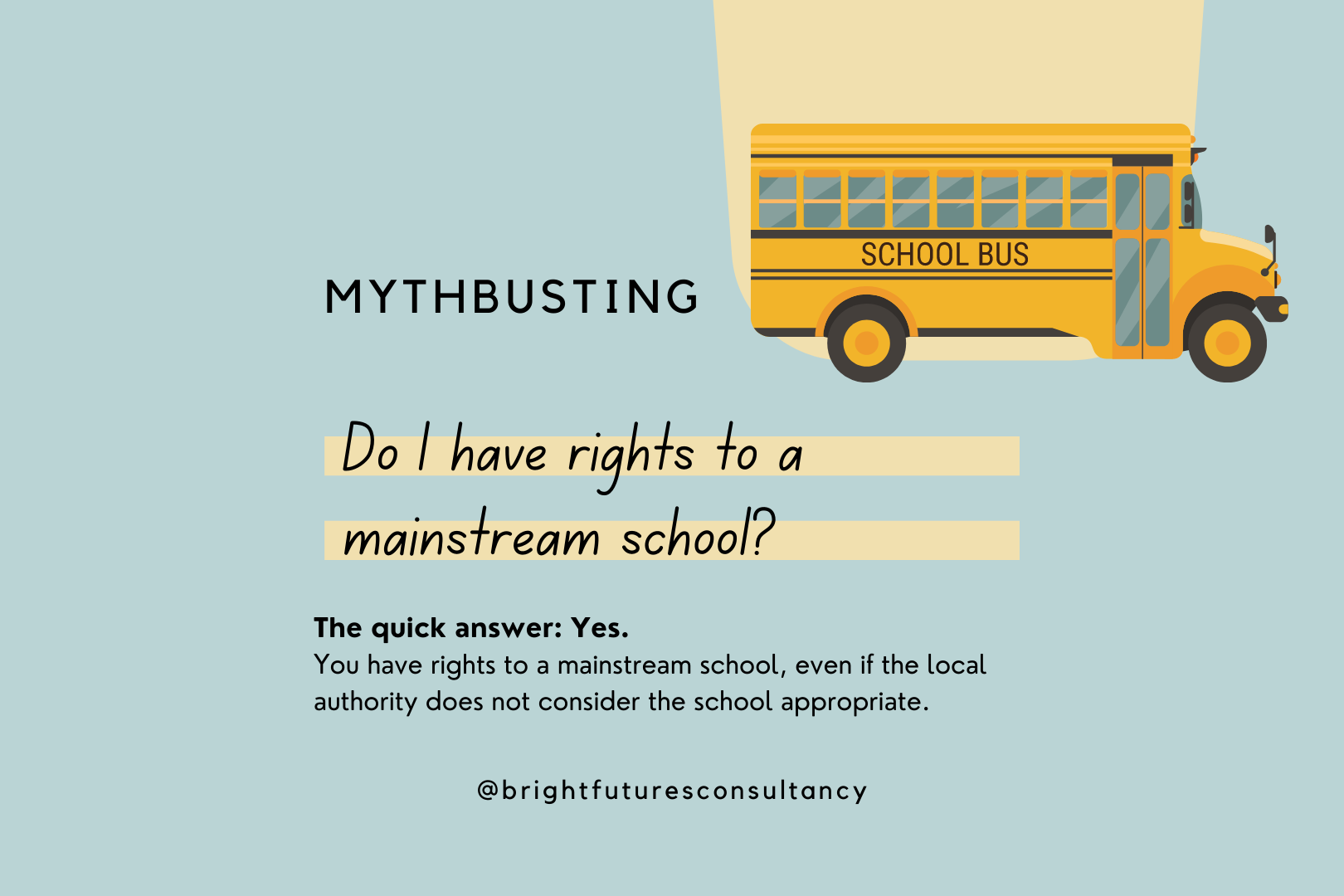
You have rights to a mainstream school, even if the local authority does not consider the school appropriate.
Yes, if it is the only suitable school or it does not amount to unreasonable public expenditure.
The local authority is ultimately responsible and accountable even if they have largely delegated to the school.
Check out our video on tips about annual reviews. Annual reviews are crucial for a number of reasons, particularly making sure your child's plan is up to date, and for planning the next setting.
Education Other Than At School (EOTAS) is the legal term and this can be written in to Section F of the plan should the attendance at school be unsuitable for your child.
Yes. You can request a new placement when your EHCP is in draft form (so after annual review). You can call an emergency annual review if needed.
Make sure any private individual you commission is experienced in writing reports for EHCPs and tribunals. Make sure they write solid recommendations that can be transferred into Section F of the plan. They need to be quantified and specific. Check to see if the professional would be prepared to defend their recommendations in a tribunal if necessary.
It depends on what point of the journey you are at, but we normally advise against it as it is not legally binding and it can delay your rights to appeal.
If you have disputes that need clarification from professionals, yes - it is a good idea to bring witnesses along.
Disputes that have entered the Upper Tier Tribunal, where a ruling sets a precedent for other cases at First Tier Tribunal, going forward.
The question of late evidence is a difficult one. A judge can overrule you in any event, even if you do not accept. If you do accept, you may wish to submit your own counter-evidence and argue that this should be accepted late too.
A request for change, could include changes to timeframes (should you need it) including hearing dates, requests for additional witnesses and requests for changes to the grounds of the appeal.
Mostly administrative details. They can not give advice on the phone, to do with your case but they can flag your query for a registrar. Any changes to your case must be made by a 'Request for Change' form and this will be reviewed by a judge.
This is an editable version of your child's plan, used during the appeal process, to make changes. You must follow the appropriate code when making changes to the document.
A bundle is all of the information submitted to the tribunal services, as part of an appeal. You should receive a copy of this.
There are a number of different people to consider taking along to the hearing. You might consider school staff and your own private professionals. Make sure you take people relevant to the legal dispute in hand.